
One Week in Spain: The Perfect 7-Day Itinerary for First-Timers

Are you planning a trip to Spain? I’ve got you covered!
If you’re planning your first trip to Spain and want a route that’s easy, efficient, and full of variety, this seven-day itinerary moves Madrid → Seville → Barcelona with minimal backtracking and simple high-speed train connections.
You’ll get royal history and world-class art in Madrid, Moorish palaces and flamenco culture in Seville, and Gaudí architecture plus Mediterranean vibes in Barcelona.
I studied abroad in Madrid and have returned to Spain multiple times since, traveling across the country and learning what makes a trip feel both exciting and relaxed.
This guide blends the big must-sees with the slower, local moments I’m obsessed with: neighborhood coffee runs, park time, and unhurried tapas crawls.
Use it as the perfect starting point, then customize it to your style.
Here’s exactly how I’d spend one week in Spain as a first-timer!
Spain Itinerary: 1 Week Overview
While you could spend years in Spain and still have new things to discover, one week in Spain is enough time to hit the highlights without feeling too rushed! Here’s how to make the most of your time in Spain:
✨ Madrid (Days 1–3): art, royal history, lively neighborhoods, and an easy day trip option
✨ Seville (Days 4–5): Moorish palaces, courtyards, and tapas by the river
✨ Barcelona (Days 6–7): Gaudí landmarks, seaside walks, and vibrant neighborhoods
Where to Start and End Your Itinerary
I’d start by flying into Madrid, as it’s a central airport that’s easy to navigate, and then return home from Barcelona.
This route (Madrid to Seville to Barcelona) keeps you moving forward without having to backtrack or add too much additional travel time.
With only a week, you don’t want to waste more time than needed on transport. Spain’s high-speed trains or domestic flights are easy, affordable options to travel between cities once you arrive in Madrid!
Madrid to Seville takes about two and a half hours on AVE, Avlo, or Iryo. Seville to Barcelona is about five and a half hours on a direct AVE, or roughly ninety minutes in the air if you prefer to fly.
Door-to-door, flights and trains are often similar once you factor in airport time.
If a round-trip ticket to one city is a better deal, it is still easy. The train network makes the route flexible.
Days 1–3: Madrid
How to Get to Madrid
You will land at Madrid-Barajas. The Cercanías C1 or C10 trains run into the center in minutes. Taxis and Ubers work well if you have luggage or are arriving late.
If you are coming by rail, you will arrive at Atocha or Chamartín. Both connect directly to the metro.
Day 1: Old City, Royal Quarter, and Skyline Views
Morning
Start at Puerta del Sol and wander to Plaza Mayor; it’s an easy way to start your day, and they are iconic spots you don’t want to miss!
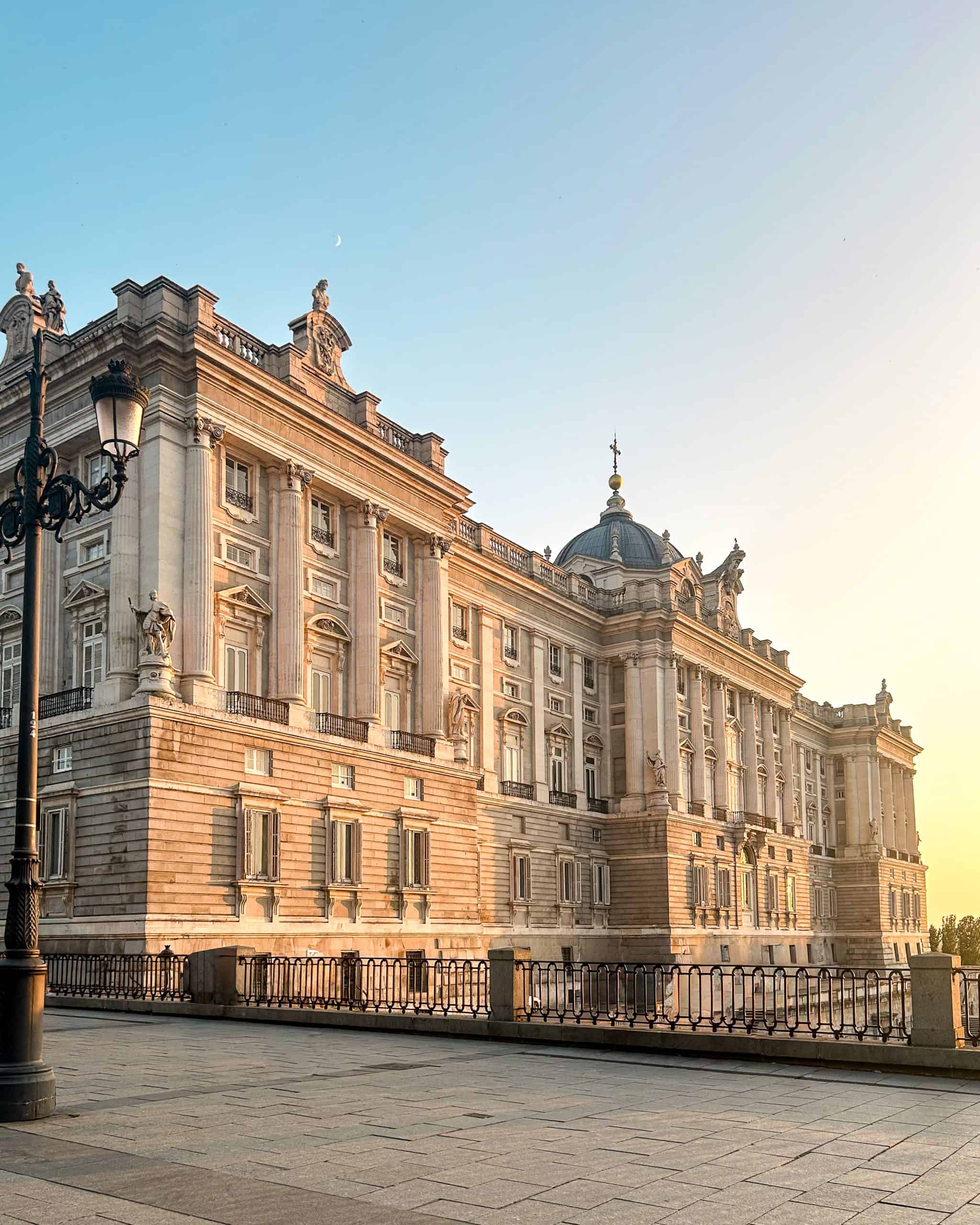
If you want a snack, swing by Chocolatería San Ginés for churros. Continue to the Royal Palace and Almudena Cathedral. Walk the gardens and courtyard, and tour the palace if you want to explore more.
Afternoon
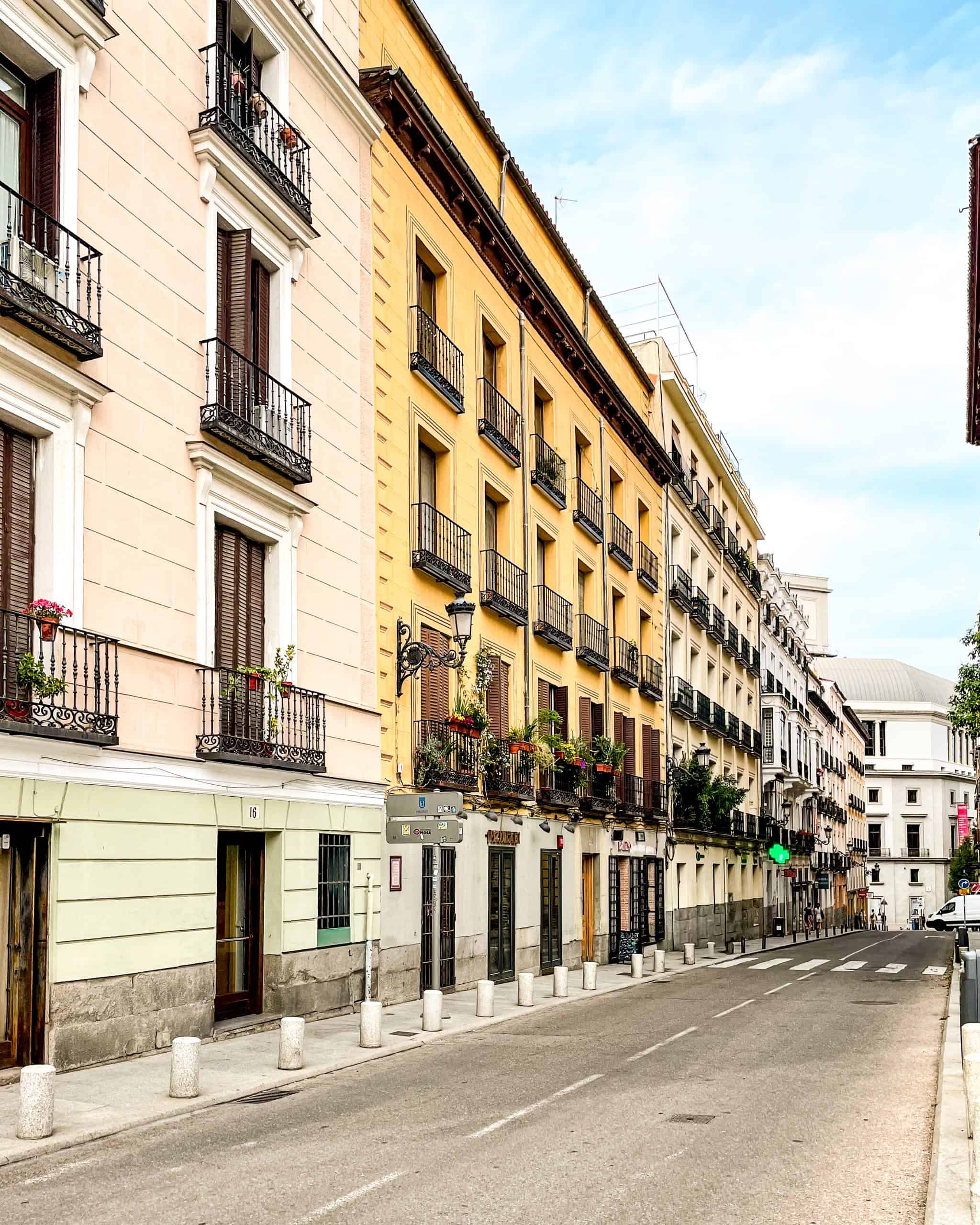
Cross the Austrias quarter toward Gran Vía, taking side streets when you can. Slow down in Malasaña along Calle del Espíritu Santo for the cutest shops and spots for coffee.
If you like structure on day one, a walking tour is a great way to get your bearings and explore the city without needing to figure out directions on your own!
➡️ Explore the City Highlights with a Guided Tour
Evening
Aim for a rooftop at golden hour. The views of the city are stunning! Picalagartos is straightforward, the Gourmet Experience terrace at El Corte Inglés Callao has wide views, or Círculo de Bellas Artes is a classic.
Keep dinner nearby with a small tapas crawl in La Latina or Chueca. Pick a couple of places and leave time for a slow walk back or head out to one of the many bars near Sol.
Madrid is known for its nightlife, and if that’s your scene, it’s a great time!
Day 2: Madrid’s Art Scene, Retiro, and Salamanca
Morning
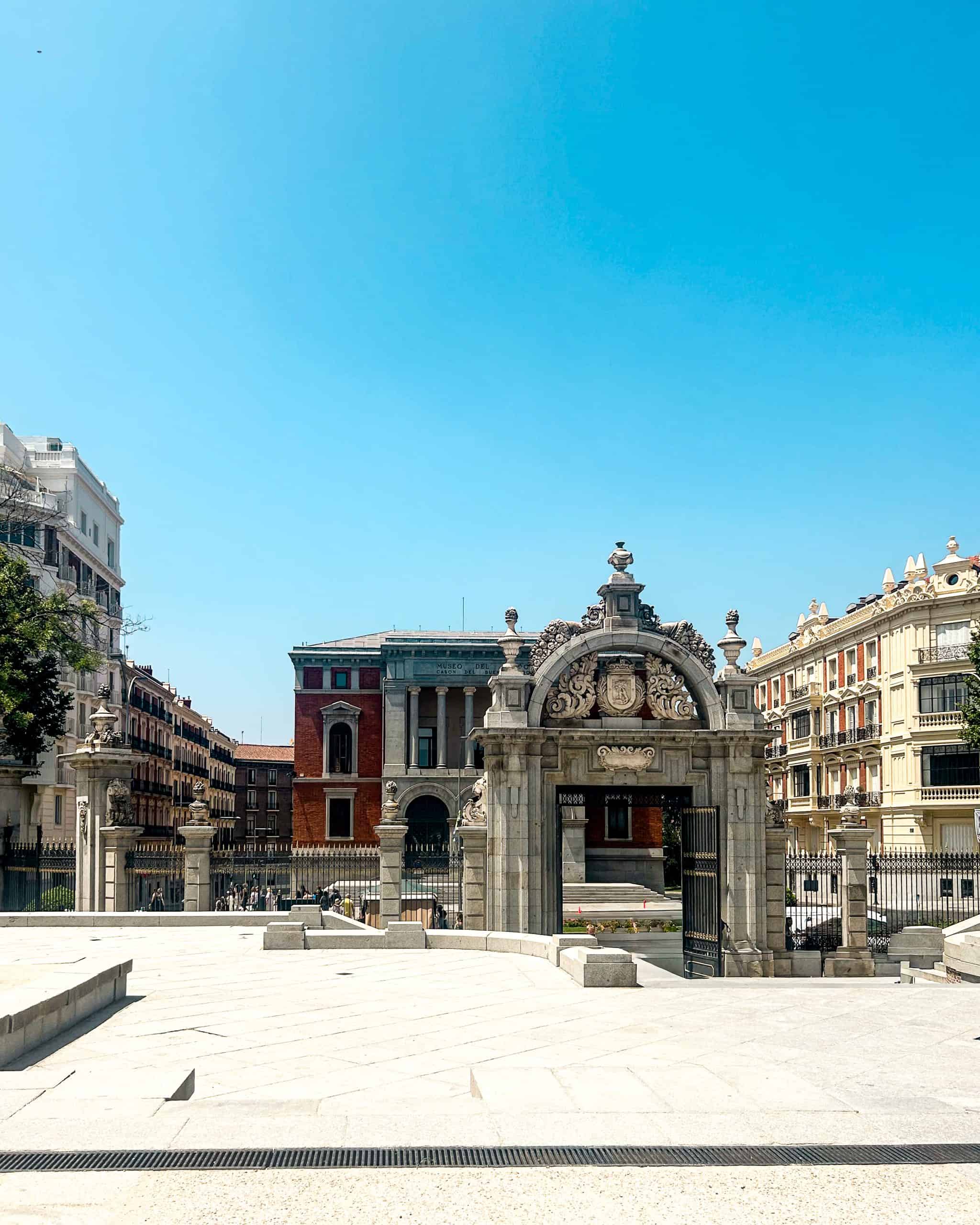
Settle into the day with one museum and give it your full attention. Prado for Spanish and European masters; Reina Sofía for twentieth-century work and Guernica; Prebook so you can stroll in and start right away.
These are beautiful museums. I personally liked the Prado better, but you can’t go wrong. If you want to see both, it’s possible to fit them in– your day will be just a bit more packed.
➡️ Check out the Reina Sofía Museum
Afternoon
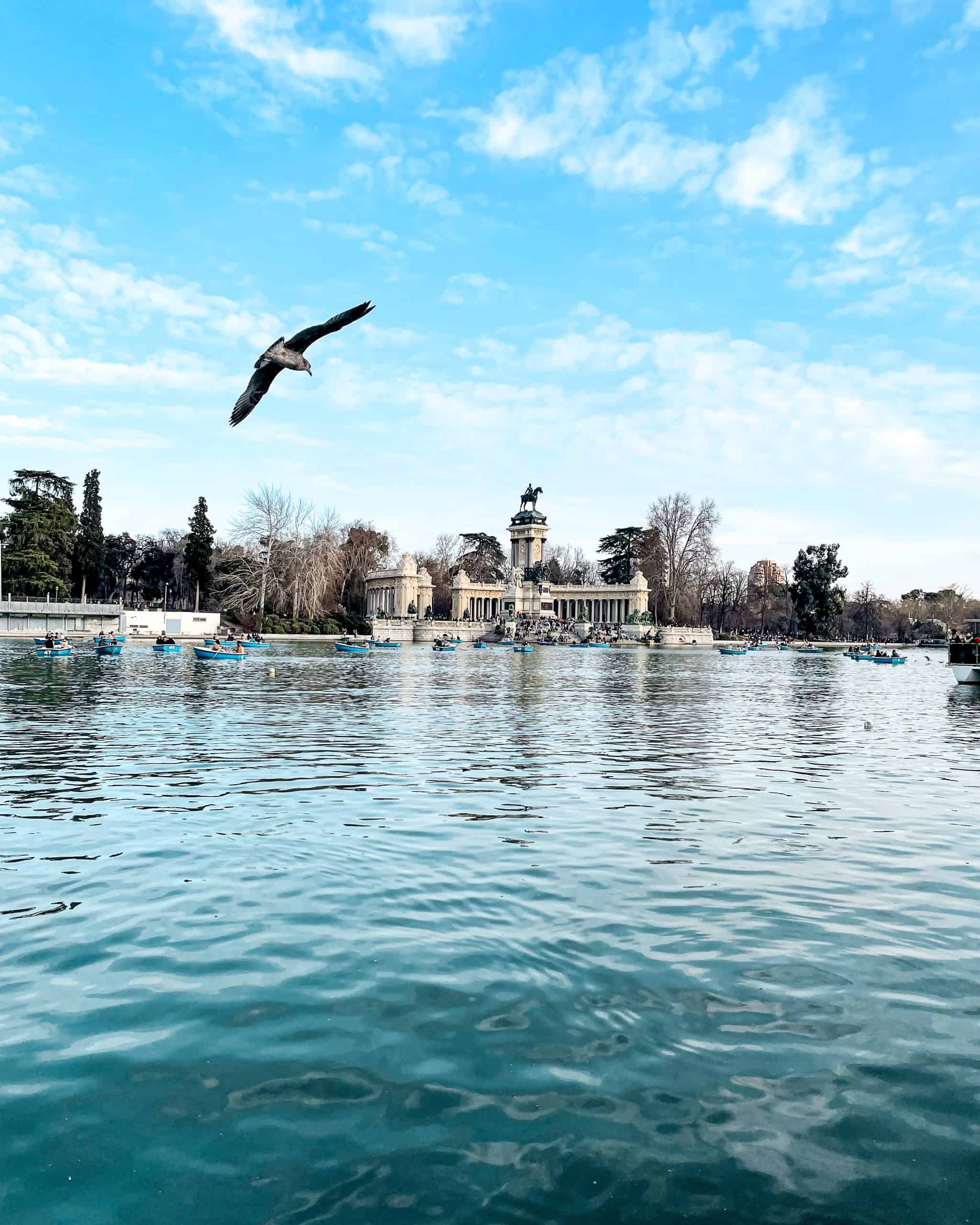
From either museum, it’s an easy walk to Retiro for a loop past the lake and the Crystal Palace. It’s a great spot for a picnic or for a bike ride if you want to spend more time here.
Then continue into Salamanca. Salamanca is one of the most charming neighborhoods in Madrid and is an ideal place for window shopping.
Evening
Make your way back toward Malasaña for dinner. There are plenty of restaurants here, so wander around and see what stands out to you.
Keep the night light with a single drink at 1862 Dry Bar, or check out a live set at Sala El Sol.
Day 3: Day Trip or Deeper Neighborhoods
Morning
After two days in Madrid, you’ve hit the highlights, so today is a perfect day for a day trip.
If you’d prefer to stay in Madrid, explore more neighborhoods and give yourself the time to feel like a local!
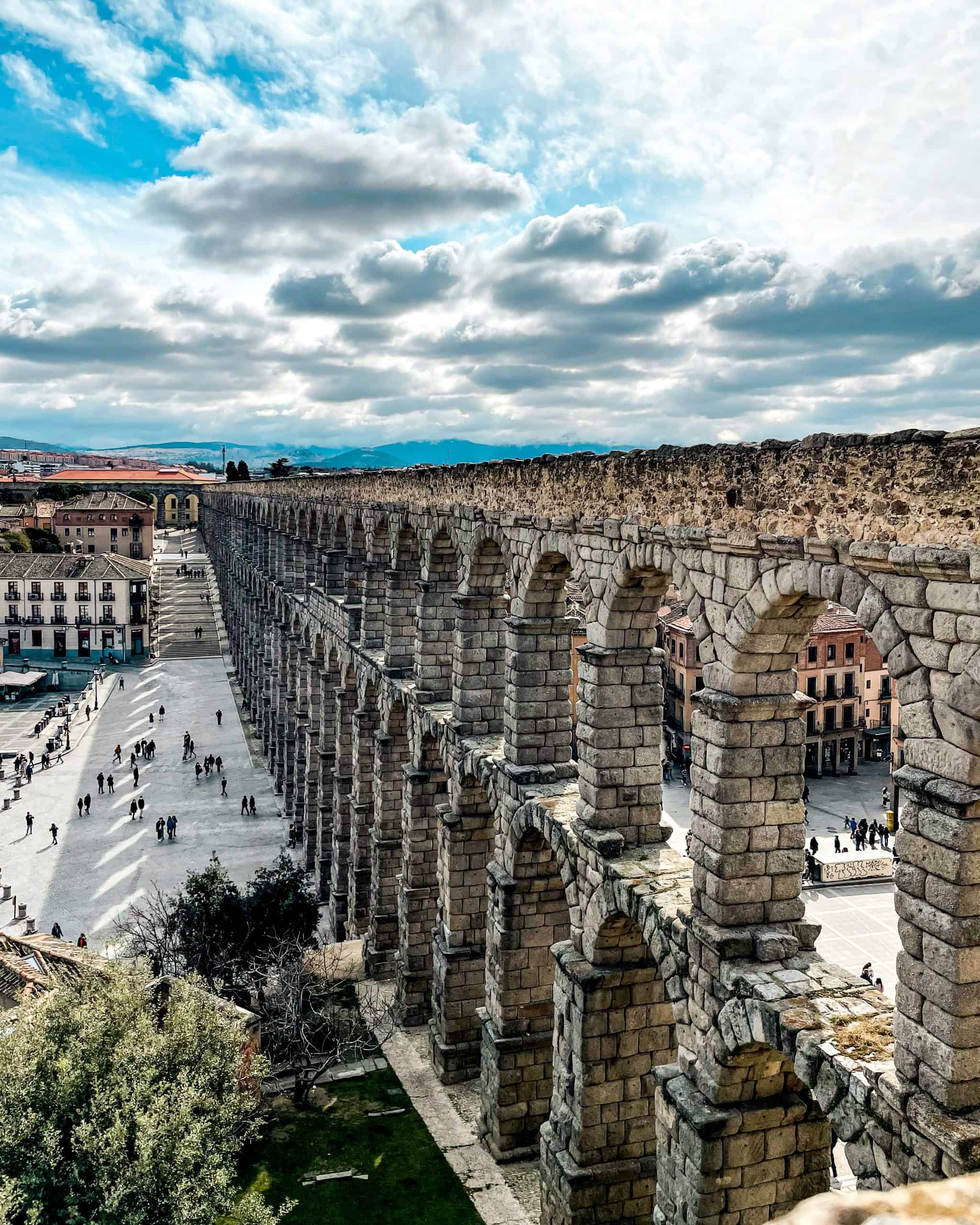
If you’d prefer a day trip, choose your direction. Segovia is about 30 minutes by Avant train to Segovia-Guiomar, then a quick bus or taxi to the Aqueduct.
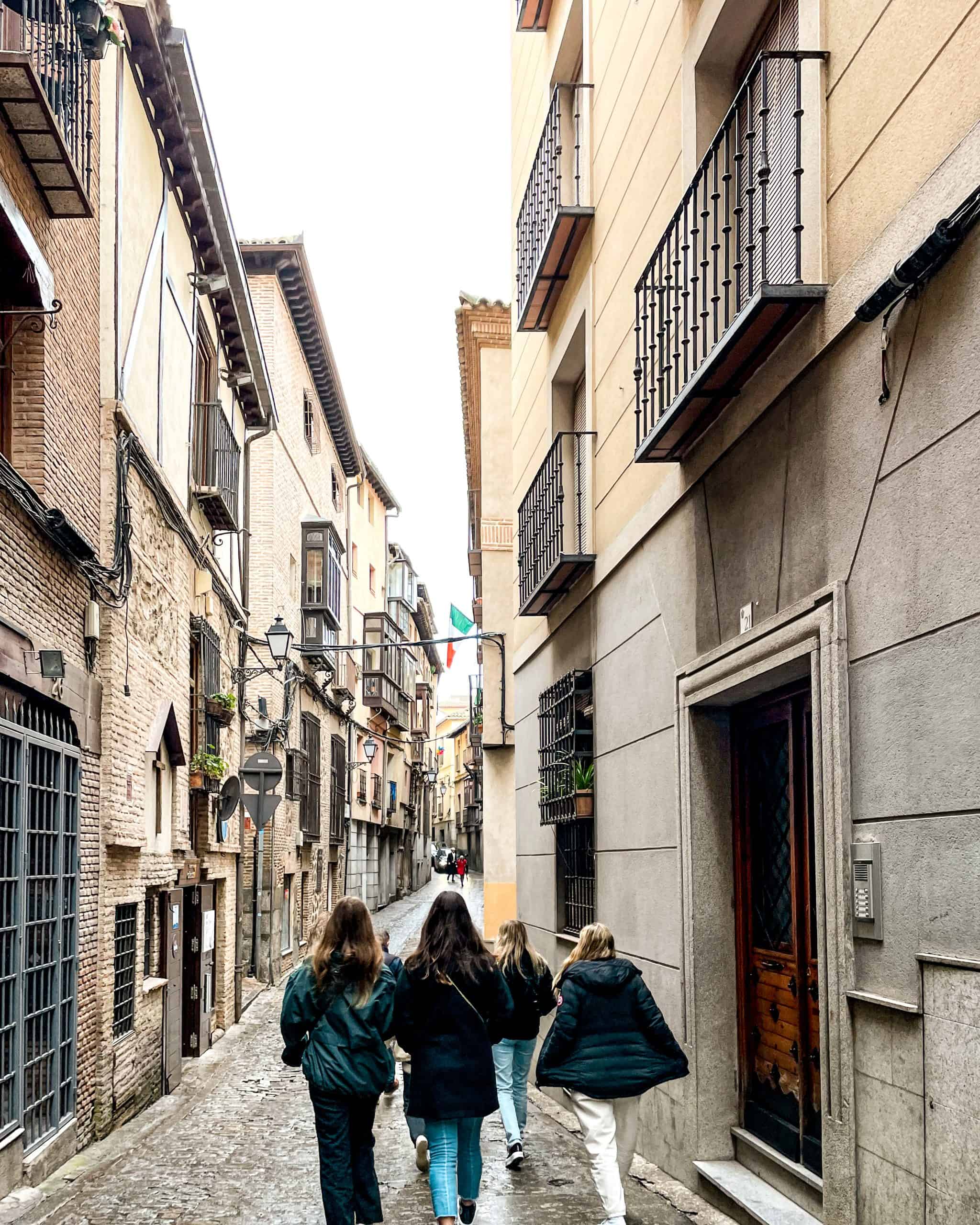
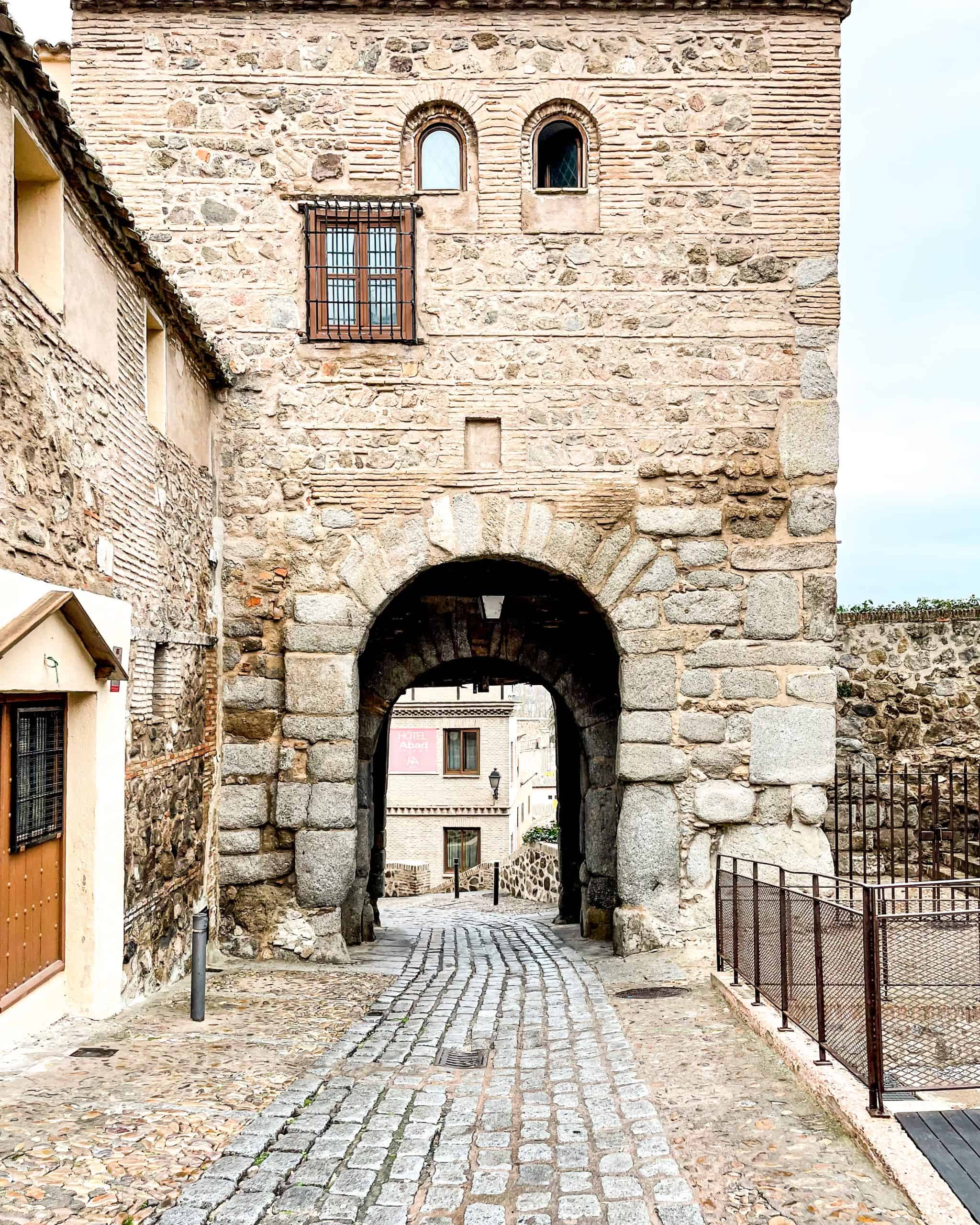
Toledo is about 33 minutes by train, with a short walk or taxi up to the old town. Both are incredible, historic places!
You can also do both in a day with a guided tour (worth it, but be mindful of timing your train to Seville)! However, if you’re just planning on one, I’d recommend Segovia.
➡️ Visit Toledo on a guided day-trip from Madrid
➡️ Explore Segovia on a guided day-trip from Madrid
➡️ See both Toledo and Segovia in a day trip
Afternoon
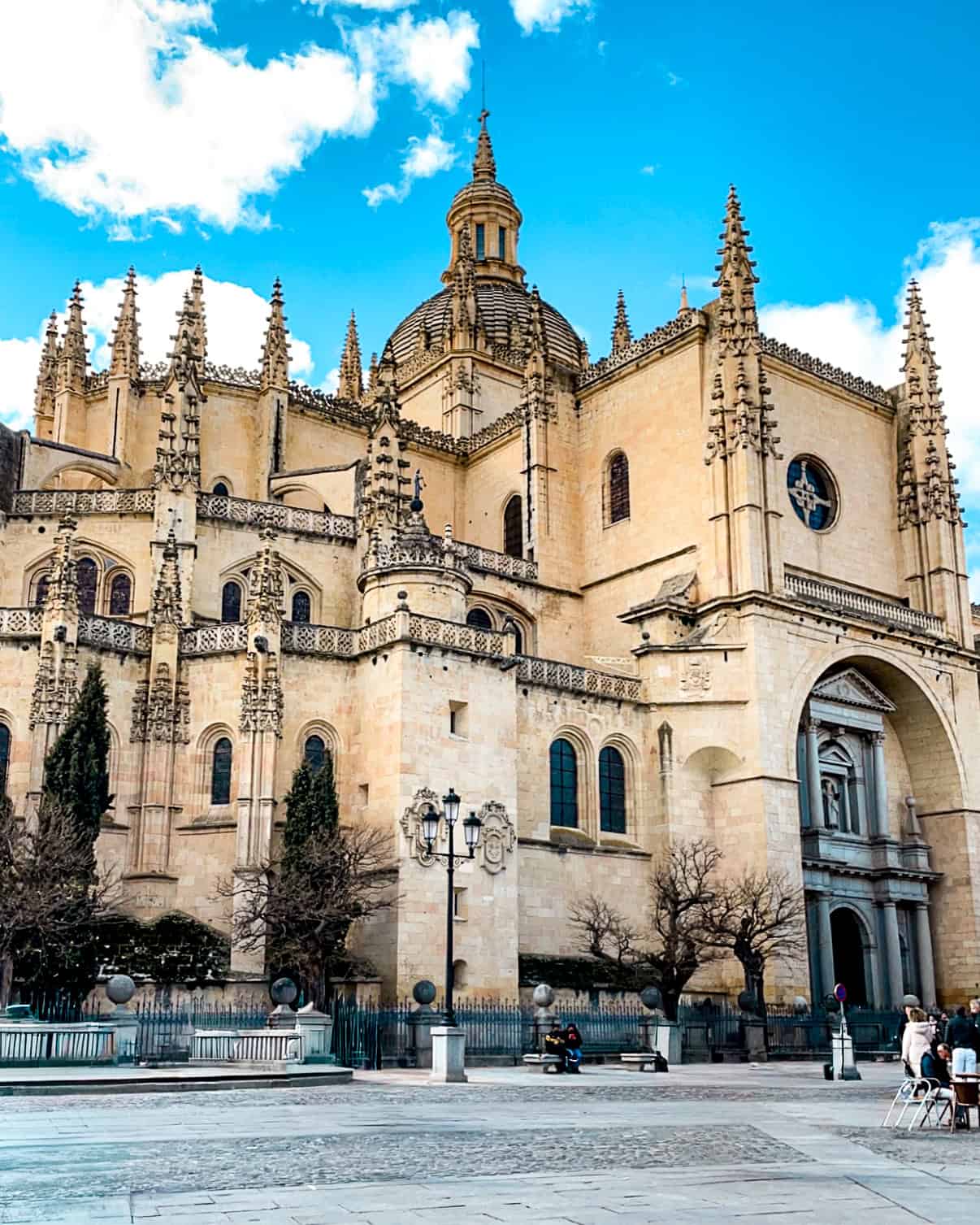
If you chose Segovia, the classic loop is Aqueduct → Cathedral → Alcázar, then grab a bite to eat.
In Toledo, go Cathedral → San Juan de los Reyes → Mirador del Valle for the city view.
Head back to the city mid-late afternoon to catch the train to Seville!
Evening
Take the train to Seville and grab a relaxed dinner once you’re there. Check out the best way to get there below.
Where to Stay in Madrid
📍Budget: The Central House Madrid Lavapiés — social, clean, walkable.
➡️ Book The Central House Madrid Lavapiés
📍Mid-Range: Líbere Madrid Chamberí — modern apartments in a local neighborhood.
➡️ Book Líbere Madrid Chamberí
📍Luxury: BLESS Hotel Madrid (Salamanca) — refined rooms, quiet but central.
Days 4–5: Seville
How to Get to Seville
From Madrid, take the high-speed train from Atocha to Seville Santa Justa. It’s about two and a half hours on AVE, Avlo, or Iryo. Book ahead for the best fares.
From Santa Justa, taxis and ride-hail are quick, and city buses and the tram reach the center in minutes.
Day 4: Plaza de España, Cathedral and Giralda, Santa Cruz, Triana
Morning
Wahoo made it to Seville! Ease into Seville at Plaza de España before the heat and crowds, then continue through María Luisa Park. This is an iconic spot in Seville!
From there it’s a short walk to the Cathedral. It’s the world’s largest Gothic cathedral. Climb La Giralda for the best view of the city!
➡️ Get Tickets to See The Seville Cathedral
Afternoon
Grab lunch before heading to Barrio Santa Cruz. Check out my lunch recommendations here.
Step into Barrio Santa Cruz and wander the narrow streets, shaded patios, and quiet corners. This is Seville’s oldest and most historic neighborhood!
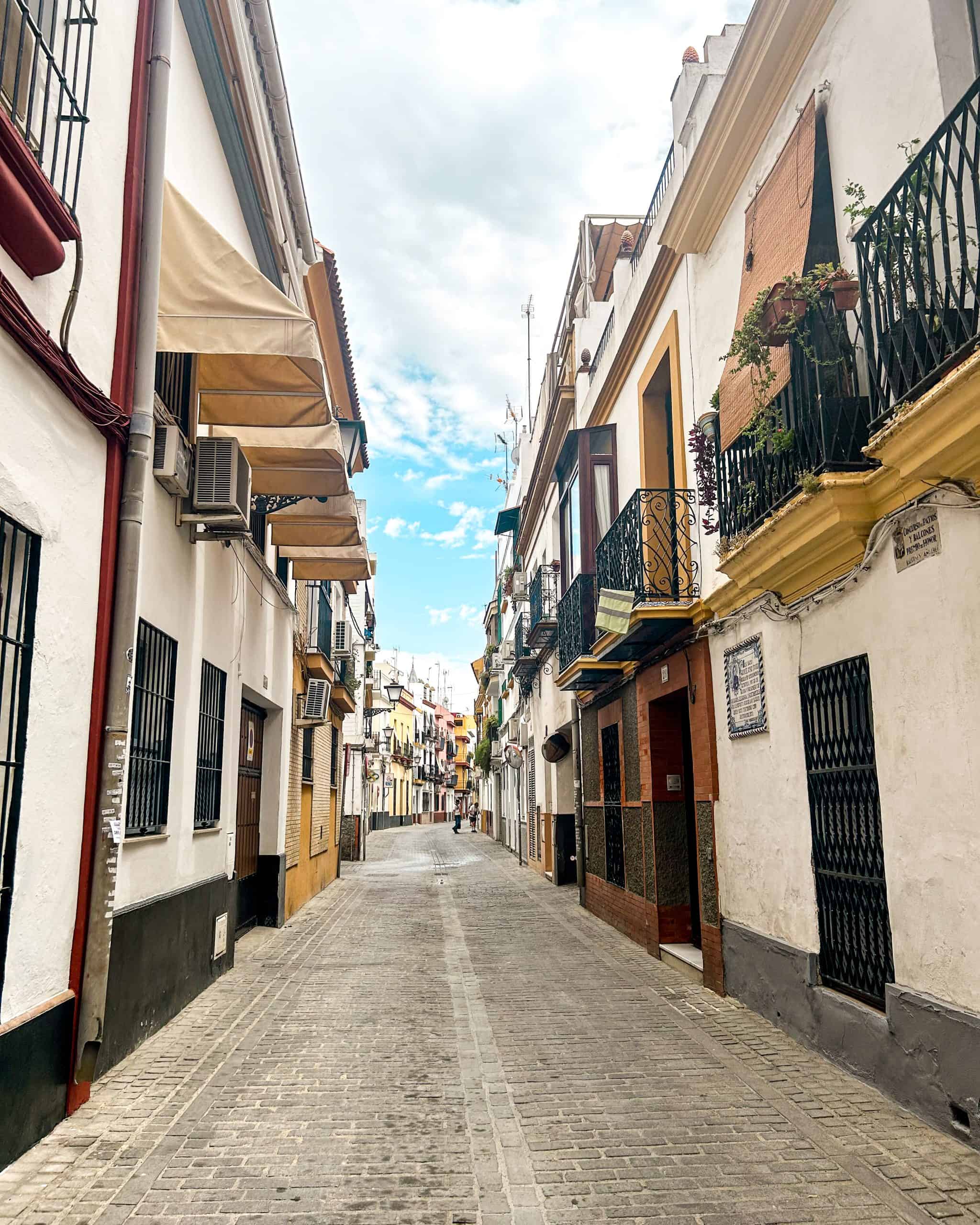
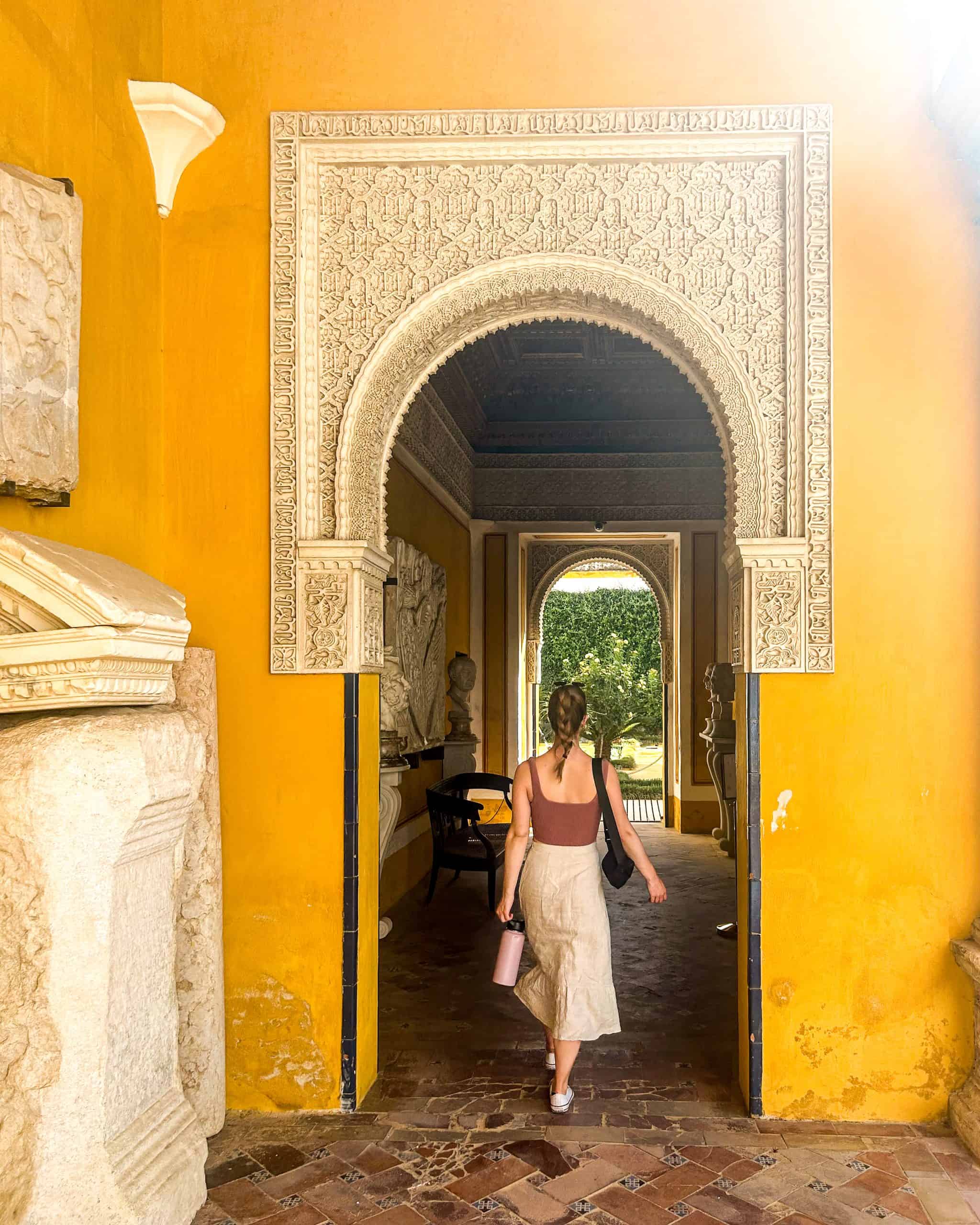
From here, check out Casa de Pilatos! It’s slightly lesser-known and is known for its Italian Renaissance and Spanish Mudéjar design.
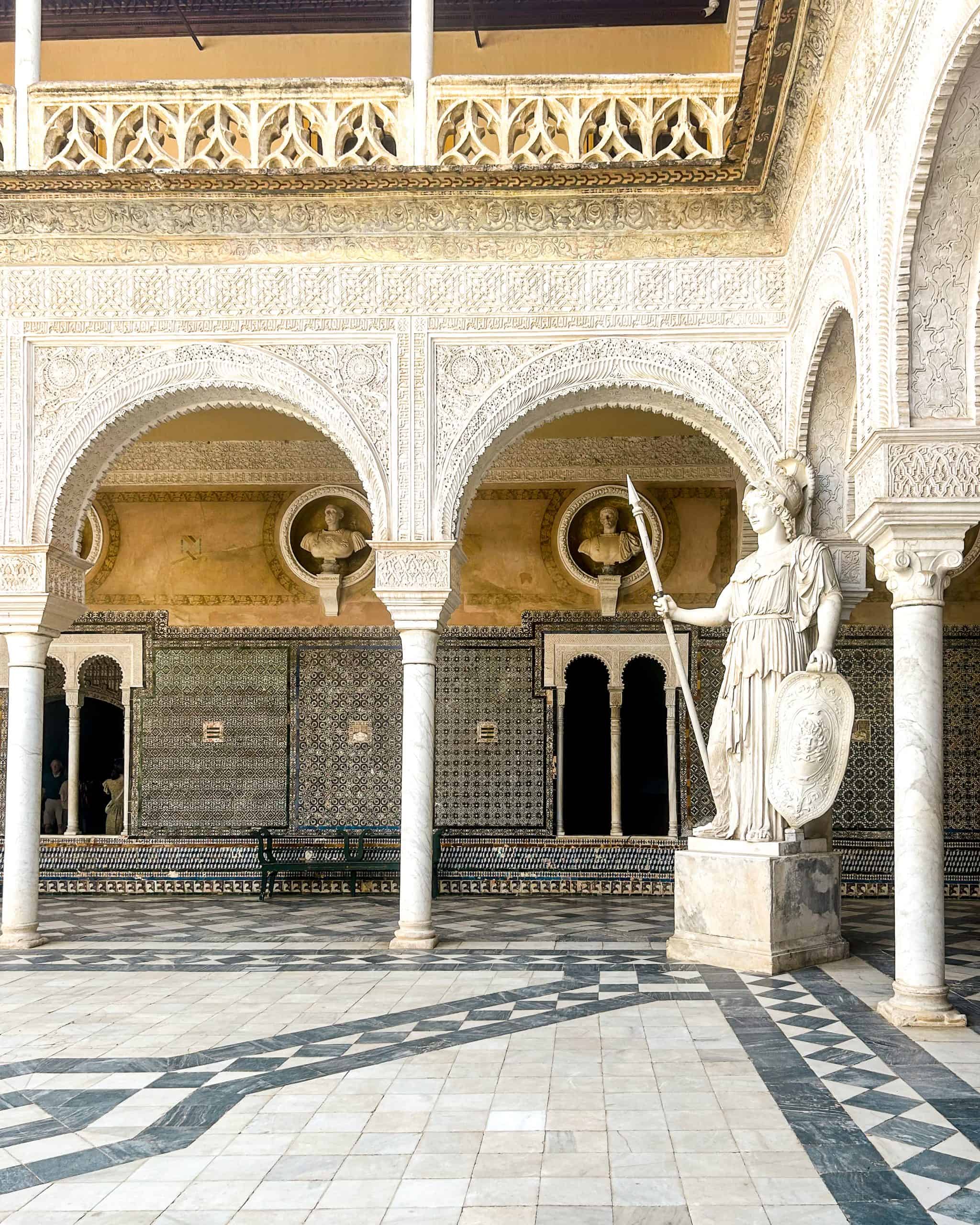
It’s one of my favorite stops in Seville and is beautiful! There are rooms full of colorful tiles and expansive courtyards.
➡️ Book Your Casa De Pilatos Ticket
Evening
As the sun starts to set, cross the Isabel II Bridge into Triana. Browse Mercado de Triana, then follow the riverfront at golden hour.
Keep dinner to a small crawl: La Brunilda if you can go early or Bodega Dos de Mayo for Andalusian staples.
If flamenco is on your list, pick a smaller tablao for an authentic, more intimate show.
Day 5: Real Alcázar, Setas, and Train to Barcelona
Morning
Start with the Real Alcázar– one of Seville’s most famous sights. Two to three hours lets you see the palace and wander the gardens without rushing.
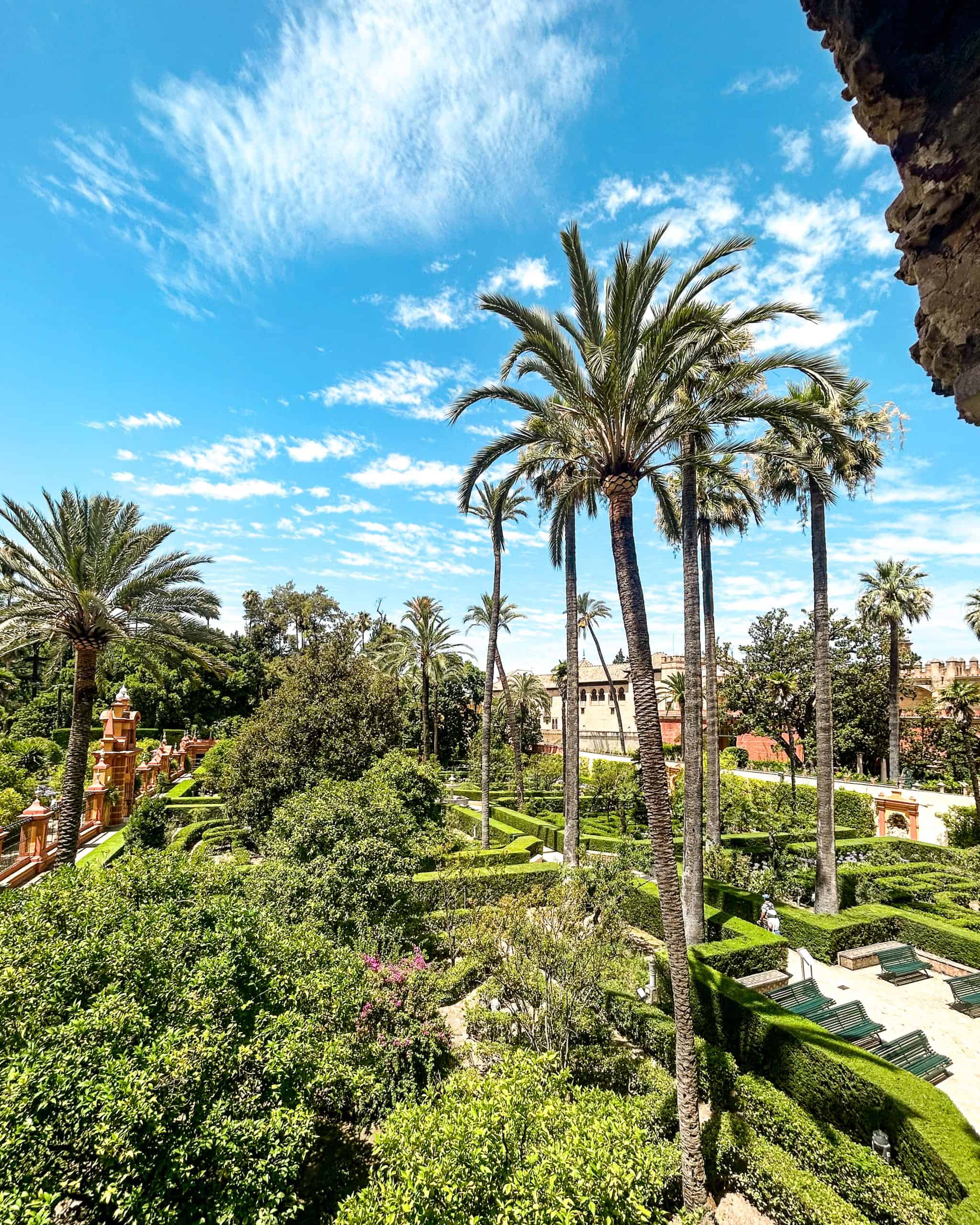
Visiting the palace is a great way to learn more about the history, especially with a guided tour, and it’s stunning!
➡️ Join a Guided Tour of The Royal Alcázar
Afternoon
Switch gears at Metropol Parasol (Setas) for the rooftop walkway and city views, then grab a quick lunch nearby.
Aim for a mid-to-late afternoon departure to Barcelona so you arrive in the evening and wake up ready to go for Day 6 in Spain.
➡️ Get Your Setas Entry Ticket
Evening
Head to Santa Justa for the direct AVE to Barcelona (about 5.5 hours). You can also fly if you’d rather shorten the ride time; door-to-door, it’s usually 3–4 hours.
When you arrive, check in and keep dinner simple near your hotel. If it were me, I’d take the train, but either option is fairly easy. Read more transport info below!
Where to Stay in Seville
📍Budget: Black Swan Hostel — central, social, easy base.
➡️ Book Black Swan Hostel Sevilla
📍Mid-Range: Hotel Amadeus — boutique stay in Santa Cruz with a rooftop terrace and small pool.
📍Luxury: Hotel Alfonso XIII — landmark property with a beautiful courtyard.
Days 6–7: Barcelona
How to Get to Barcelona
From Seville, ride the direct AVE from Santa Justa to Barcelona Sants (about 5 hours 30 minutes, reserved seats and luggage space).
For a faster ride time, flights take about 1 hour 30 minutes in the air and roughly 3–4 hours door to door.
From Sants, connect by metro or taxi across the city. If you fly into Barcelona-El Prat (BCN), the Aerobús or the R2 Nord suburban train reaches the center quickly; taxis and ride-share are straightforward.
Day 6: Gothic Quarter and El Born, Sagrada Família, Gràcia
Morning
Yayyy, made it to Barcelona! Begin in the iconic Gothic Quarter around the Cathedral and Plaça del Rei, then pop into the El Born neighborhood for coffee and boutiques.
Nomad Coffee Lab (in El Born) and Satan’s Coffee Corner (in the Gothic Quarter) both hit the mark.
If you’re a museum person, check out the Picasso Museum! It’s so worth it, and the art is beautiful. Definitely book tickets ahead of time to avoid lines.
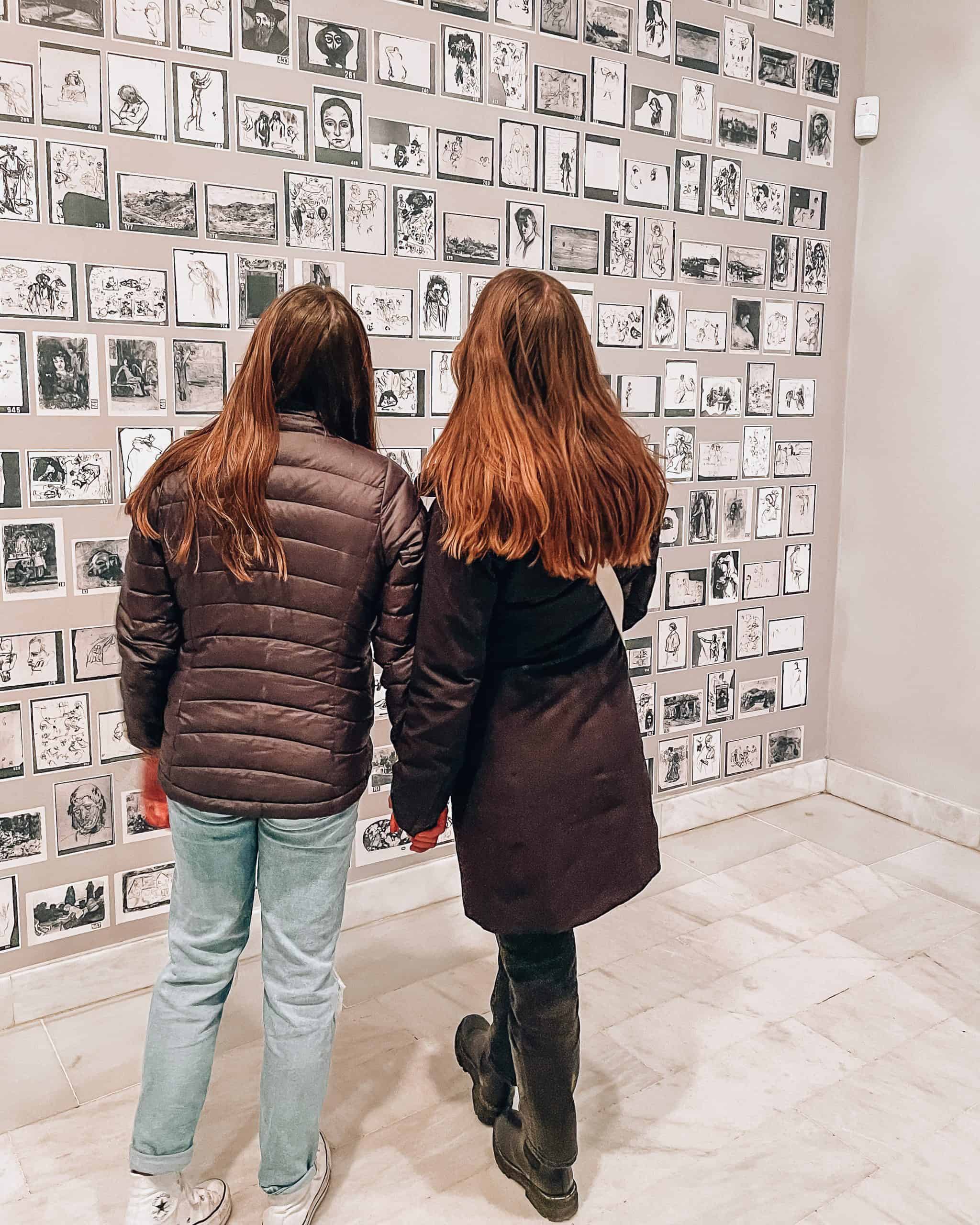
➡️ Grab Tickets to the Picasso Museum
Afternoon
Walk down Las Ramblas and stop at the iconic La Boqueria Market for fresh juice, jamón, or a tapa at one of the bustling stands. It’s a little busy, but the energy is fun and the food is worth it.
From there, make your way to the Sagrada Família for your timed entry. A guided visit is highly recommended and helps you understand all the details. Tickets sell out quickly, so book as early as you can.
➡️ Book a Sagrada Família tour
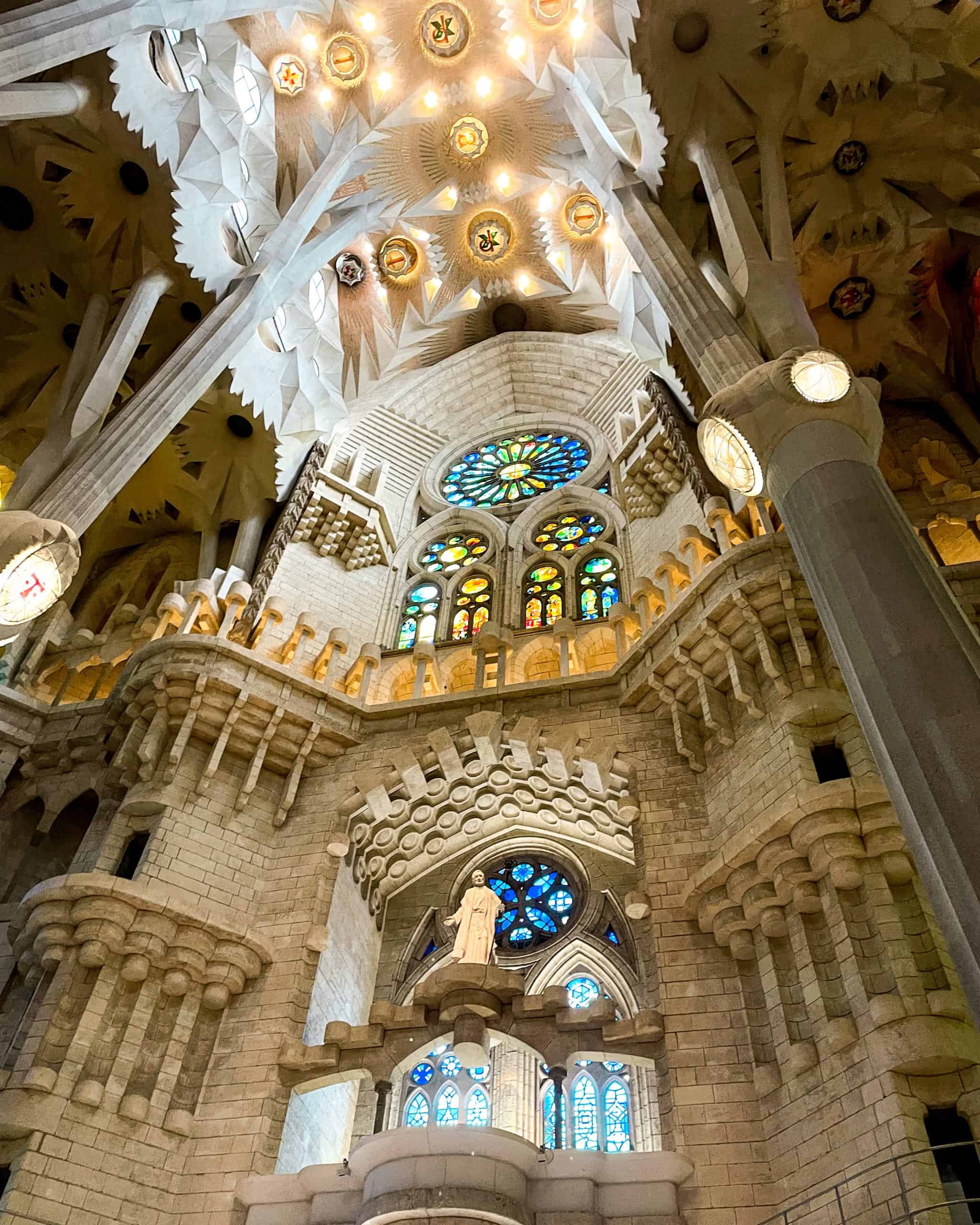
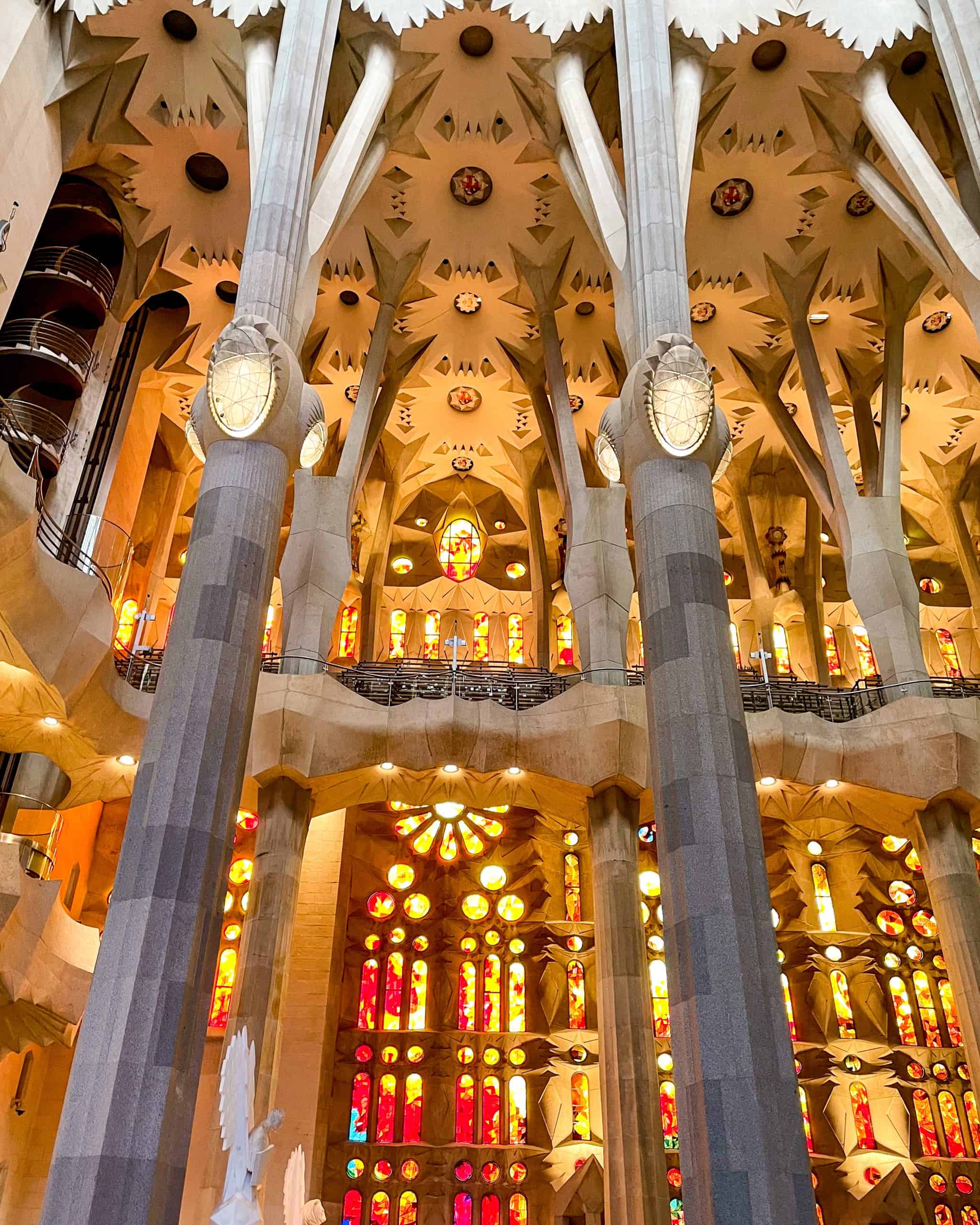
Evening
Head to Gràcia for dinner and wander its small plazas and restaurants. Finally, if you still have energy after a long day, Bunkers del Carmel has one of the best sunset views in the city.
Day 7: Park Güell, Choose-Your-Own Afternoon, El Born Night
Morning
Start your last full day at Park Güell with an early timed ticket. The beautiful park is so much better in the morning before the crowds arrive.
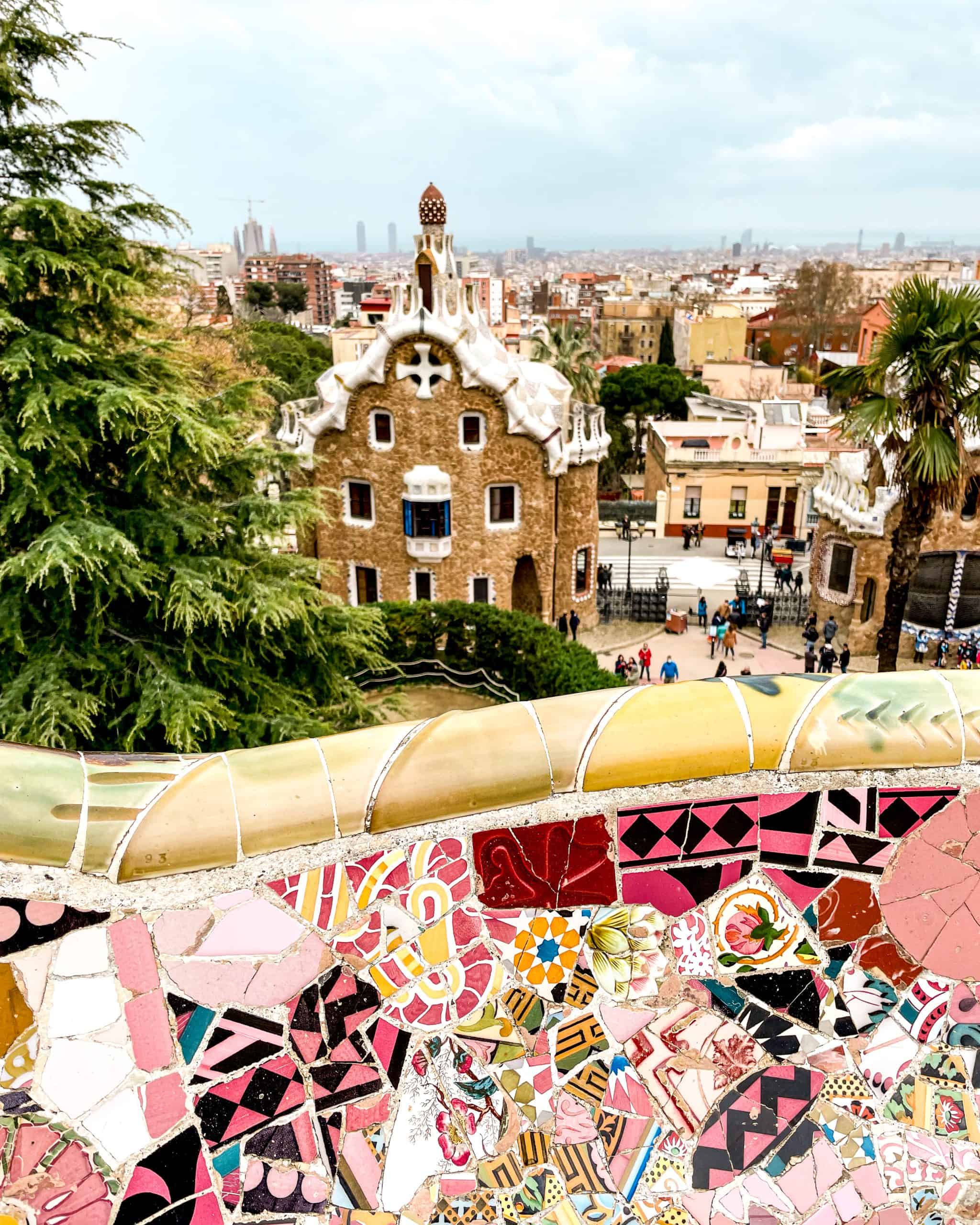
Take your time with the mosaics, Gaudí details, and the views across the city.
➡️ Reserve your Park Güell entrance ticket
Afternoon
Pick the vibe you’re in the mood for. Montjuïc is great for the cable car ride, MNAC steps, and gardens. If you’d rather be at the beach, Barceloneta has a lively scene while Bogatell and Mar Bella are calmer.
Or stay inland and explore design-focused neighborhoods—wander the Eixample grid for Gaudí façades or head to Poblenou for converted warehouses and cafés.
Evening
Stay near Eixample and try Disfrutar for an upscale, creative dining experience. If you’re feeling more casual, wrap up the week in El Born.
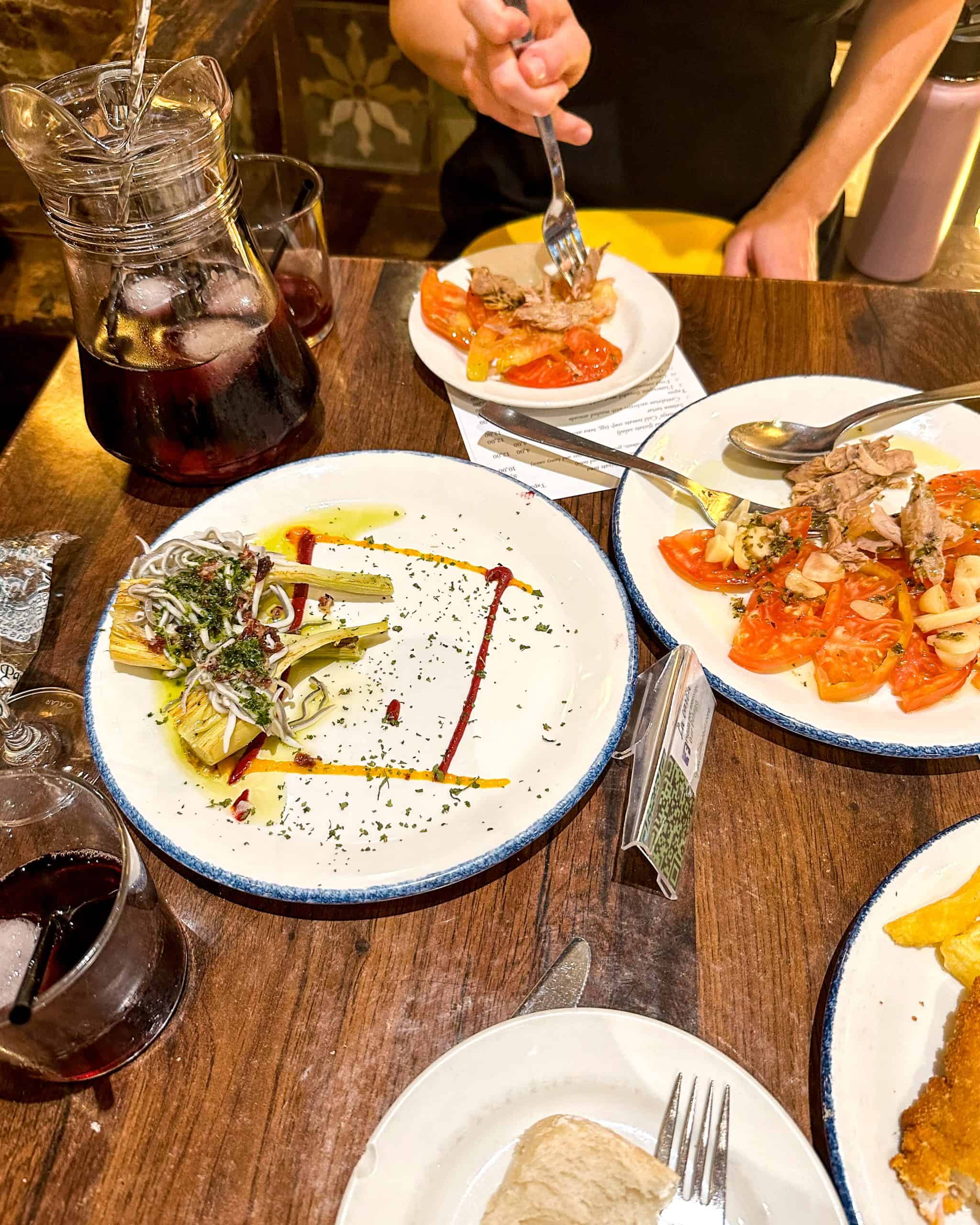
Tapeo del Born is cozy and classic or wander until you find somewhere that stands out to you. End with a glass of wine at one of the many wine bars and toast to your trip!
Flying Home from Barcelona
Plan to fly out the morning after Day 7 so you get the full week in Spain without rushing. Most flights leave from Barcelona-El Prat (BCN). T
he Aerobús from Plaça de Catalunya takes about 35 minutes, the R2 Nord train connects from Sants and Passeig de Gràcia, and taxis or ride-hails are quick and easy if you have an early departure.
Where to Stay in Barcelona
📍Budget: Yeah Barcelona Hostel (Eixample/Gràcia edge) — social and clean with a good base for exploring
📍Mid-Range: Hotel Praktik Bakery (Eixample) — comfortable rooms over a great bakery
📍Luxury: The Wittmore (El Born, adults-only, tucked away) — a relaxed, beautiful stay
What to Know Before Visiting Spain
✅ The best seasons are April to June and September to November. Weather is comfortable and crowds are reasonable.
✅ If visiting in the summer, Seville in particular, gets very hot, so plan for more breaks.
✅ Meal times run late. Plan a snack around six or seven and dinner closer to nine or ten.
✅ Book ahead of time for the Alcázar, Picasso Museum, Sagrada Família, Park Güell, and popular restaurants.
✅ Trains are the fastest and least stressful way to travel between these cities. Stations are central and seats are assigned.
✅ Pickpockets exist in crowded spots. Be aware of your surroundings and belongings and keep your phone away on the metro.
✅ Tap water is safe in the cities. Carry a refillable bottle.
✅ English works in tourist zones. Basic Spanish helps in local spots and is appreciated.
✅ Sundays are quieter. Parks, markets, and cafés are a good use of the day.
✅ Churches may require covered shoulders and knees. Carry a light layer.
✅ Pack light. It’ll make your whole trip easier!

Where To Stay: A Quick Snapshot
Pick a neighborhood first, then the property that fits your budget and style.
📍Madrid: Las Letras and Gran Vía for walkability. Malasaña for cafés and creative energy. Salamanca for an upscale, calm base.
➡️ Book Líbere Madrid Chamberí
📍Seville: Santa Cruz for history at your door. Arenal for food and river access. Triana for a local, across-the-bridge feel.
📍Barcelona: El Born for character and nightlife. Eixample for a central grid and Gaudí. Gràcia for village-style plazas.
FAQs
What is the best time of year to visit Spain?
Spring and fall offer the best balance of weather, fewer crowds, and prices. Summer is festive but hot in the south, and crowds are heavier at the big sights.
What is the best way to get around Spain?
For this itinerary, high-speed trains are the best option for a combo of speed, comfort, and convenience. Fly from Seville to Barcelona only if you prefer a shorter time in transit.
Do I need to speak Spanish in Spain?
You can get by with English in most tourist areas, but basic Spanish phrases are very helpful, especially in smaller neighborhoods and at local bars.
Is one week enough time in Spain?
Yes! You will move at a comfortable pace with three cities in seven days. If you prefer to go slower, choose two cities and add day trips or extra park time.
Final Thoughts
This one-week itinerary is easy to follow and gives you a mix of Spain’s biggest highlights: Madrid’s art and history, Seville’s courtyards and tapas culture, and Barcelona’s architecture and seaside views.
The trains keep travel simple, and booking the major sights ahead of time prevents stress.
Think of this guide as a starting point. Add in extra time at the places you love most, skip what doesn’t interest you, and let the balance of structure and flexibility guide your trip.
A week goes by quickly, but with this route, you’ll get a real sense of Spain’s variety without feeling rushed. I hope you have the best trip!


